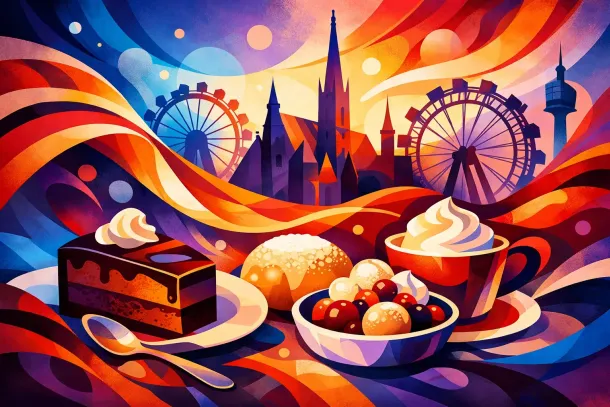
Those who order traditional desserts are rarely just looking for something sweet afterward. It's usually about more than that: the final impression of a dinner, a familiar taste at family gatherings, or that very dessert everyone has been anticipating since the main course. Especially with classic desserts, it's not the name on the menu that matters, but how carefully they are made, presented, and chosen for the occasion.
Why ordering traditional desserts is often the better choice
Modern desserts can be spectacular. But a well-made classic touches you in a different way. It feels familiar, sophisticated, and inviting without being ostentatious. That's precisely what makes traditional desserts so reliable for birthdays, holidays, office parties, or family meals.
Ordering instead of baking doesn't just save you time. It also provides consistency. A dessert shouldn't look improvised at the table, but rather meticulously planned – in taste, texture, and appearance. This is especially important when guests are coming or when giving a dessert as a gift. Nobody wants to end up having to choose between a crumbling pastry, an overly sweet cream, and a hectic kitchen atmosphere.
There's also a practical point to consider: traditional desserts are only truly good when they are fresh, balanced, and expertly prepared. Especially with recipes that seem simple, every mistake is immediately noticeable. A dry cake, a heavy base, or an unbalanced sweetness can't be hidden behind decoration.
Which classic classics are particularly easy to order?
Not every dessert works equally well for every occasion. Some are ideal for afternoon tea, others are better suited to a formal dinner or as a gift. Therefore, anyone wanting to order appropriate traditional desserts should first consider the situation – and only then their personal favorite.
For family celebrations and birthdays
Classic dishes with a clear shape, good cut and familiar taste work particularly well here. Cake Slices, Cakes and traditional pastries offer guests a choice without seeming arbitrary. They are suitable for gatherings across generations because they don't need explaining. The dessert is immediately understandable – and that's often a real advantage.
For invitations and host gifts
When bringing or giving a dessert as a gift, presentation is just as important as taste. A classic dessert with a high-quality appearance makes a thoughtful impression without being over the top. It demonstrates style without being ostentatious. Varieties that are easy to transport and simple to serve are especially practical.
For office, reception or smaller events
Here, one should consider not only the taste, but also portioning and presentation. Individual slices, neatly cut cakes, or assorted dessert platters appear organized and sophisticated. Overly complicated desserts can even be impractical in such situations. The most beautiful classic is of little use if it requires a lot of effort to eat.
How to recognize quality when ordering traditional desserts
With good desserts, quality is evident even before the first bite. The appearance should be appetizing, but not artificial. Colors should be vibrant without being overwhelming. A traditional dessert thrives on craftsmanship, not on effects.
Even more important is the inner balance. Sweetness alone doesn't make a good dessert. It needs contrasts – for example, between airy cream and moist base, between fruitiness and richness, or between delicate glaze and fine texture. Traditional recipes, in particular, benefit from this when they don't seem heavy or old-fashioned, but rather are executed clearly and precisely.
A supplier's product range also speaks volumes. Those who confidently offer both classic and modern desserts usually demonstrate a good understanding of recipes, preparation, and target audience. This is particularly helpful when different tastes come together at a party and not everyone wants the same thing.
Ordering traditional desserts for celebrations – what really matters
At celebrations, dessert quickly becomes the centerpiece. This applies not only to cakes, but also to classic desserts served at the end of a meal or with coffee. To ensure they live up to this expectation, the order shouldn't be too small.
A common mistake is to only look for Number of servings It's easier to choose just one dessert. It's more sensible to also consider the time of day, the composition of the guests, and the rest of the menu. After a lavish dinner, the dessert can often be more delicate and lighter. For an afternoon gathering with coffee and a longer time spent together, however, it can be more generous, richer, and more varied.
It also depends on how it will be served. whole cake It creates a classic presentation. Individual portions bring a sense of calm to the service. A mixed selection can be ideal when catering to a wide range of tastes. The downside: Too much choice can seem indecisive if there's no clear theme. Therefore, a good order doesn't mean maximum quantity, but rather a well-balanced selection.
Individualization with a sense of proportion
Not every traditional dessert needs to be personalized. However, for special occasions, a small adjustment can make all the difference – for example, in size, composition, or relevance to the occasion. The important thing is that the character of the dessert is preserved. A classic can be presented in a modern way, but it shouldn't lose its identity.
That's precisely the appeal today: ordering familiar flavors in a format that suits your specific occasion. Those who prioritize personal consultation, clear ordering processes, and reliable communication not only save time but also avoid misunderstandings just before the celebration.
Ordering traditional desserts online – convenient, but not unlimited
Ordering online is convenient, especially when life is busy. However, it shouldn't become a quick, one-click decision. Ordering desserts well requires some attention. Product images, categories, sizes, and order information should be clear. If personal inquiries are also possible, the level of security increases significantly.
Especially in the premium segment, customers today expect both: an inspiring selection and uncomplicated service. This is not a contradiction. On the contrary – high-quality confectionery only becomes truly practical for everyday use when it can be easily ordered. Those who order online should therefore look for a product range that combines enjoyment with ease of navigation.
At Zoomserie, this combination is particularly pleasing: classic desserts, cakes, pastries, ice cream, and coffee blend seamlessly without seeming arbitrary. This is convenient for customers because they don't have to choose between craftsmanship and convenience depending on the occasion.
When traditional desserts are superior to more modern creations
There are occasions where experimentation works wonderfully. A dessert tasting with friends or a trendy brunch can be more playful. For family celebrations, multi-generational gatherings, or formal occasions, traditional desserts are often the wiser choice.
The reason is simple: classic dishes garner approval more quickly. They provide guests with a sense of direction and reduce the risk of a dessert that, while looking original, is divisive in taste. This doesn't mean that modern creations are inferior. It simply means that reliability is sometimes more valuable than surprise.
Then there's the emotional aspect. Traditional desserts evoke memories without being kitschy. They create a sense of closeness, especially on holidays or personal occasions. That's precisely why they remain relevant – not as a nostalgic obligation, but as a conscious choice for indulgence with substance.
This is how you make a coherent selection.
Those who want to order traditional desserts are usually better off asking three questions than spending a lot of time comparing options. Who is the dessert for? When will it be served? Should it be more casual, festive, or suitable as a gift? Answering these questions often makes it very clear whether cake, torte, slices of bread, or a mixed selection is appropriate.
When ordering for guests, don't just think about your own taste. A good selection feels generous without being overwhelming. It can be classic, but should never seem generic. The most beautiful desserts are those that immediately bring joy to the table and deliver on their visual promise with the first bite.
Sometimes that's precisely the best form of hospitality: not having to do everything yourself, but consciously choosing something that makes the moment more beautiful. And if a traditional dessert leaves you not only full but quietly happy, then you've made the right choice.