Modern Patisserie Trends 2026 in Focus
Today, when choosing a cake, dessert, or fine pastry, people are no longer simply looking for something sweet. Modern pastry trends clearly demonstrate what matters: distinctive flavor, appealing presentation, and products that suit the occasion – from a quick treat to a formally commissioned cake.
Especially in a city with a strong coffeehouse and pastry-shop culture, the difference becomes readily apparent. Guests are familiar with classics, appreciate reliability, and yet still expect fresh ideas. Therefore, modern in pastry doesn't automatically mean extravagant. Modern is often more precise, lighter, more beautifully conceived, and closer to people's everyday lives.
What defines modern patisserie trends today
Many developments of recent years boil down to a common desire: enjoyment should appear sophisticated, but not stuffy. Customers want products that are expertly crafted, make great gifts, look stunning in photos, and, above all, leave a lasting impression with their taste.
This creates a new balance. Instead of overloaded decoration, one more often sees clean lines, calm color palettes, and carefully placed accents. Instead of pure sweetness, texture, freshness, and contrast take center stage. A good tart today often appears particularly modern when it doesn't try to be everything at once, but rather consistently develops one idea.
This doesn't mean playful designs are disappearing, however. For birthdays, seasonal celebrations, or personalized orders, eye-catching, charming, and festive designs are still perfectly acceptable. The difference lies in the subtlety. Modern patisserie works more with intention than with excess.
Less sugar, more flavor
One of the most noticeable modern patisserie trends is the handling of sweetness. Many guests want desserts that taste delicious but don't feel heavy. This doesn't mean that patisserie suddenly has to be healthy. It's more about using sugar not as the main ingredient, but as part of a balanced flavor profile.
This is particularly noticeable in mousses, cheesecakes, tarts, and modern cake fillings. Acidity from berries or citrus, milky freshness, nutty depth, or a slight bitterness from dark chocolate create more excitement. Such desserts are more enjoyable to eat, especially when they are part of an afternoon coffee, a gift, or a larger celebration.
For pastry chefs, however, this isn't a simple switch. Less sugar alters texture, stability, and shelf life. This is precisely where trend diverges from skill. Just because a dessert is meant to taste lighter doesn't mean it should lose substance.
Clear optics instead of too much
Visual presentation remains important, but aesthetics have changed. Today, many products appear particularly high-quality when they look clean and precise. Smooth surfaces, clean edges, harmonious colors, and carefully chosen designs create a modern impression without appearing cold.
This is evident in cakes as well as macarons, petit fours, and dessert platters. A harmonious color scheme, seasonal blossoms, fresh fruit, or chocolate elements are often all that's needed. The appeal lies in the meticulous attention to detail. Those who design in this way convey quality at first glance.
For customers, this is more than just beautiful. A cake is often the centerpiece of a celebration. It should match the atmosphere, make a statement on the table, and feel personal at the same time. That's why designs that are elegant and occasion-specific are winning out, rather than being arbitrarily decorative.
Personalization is becoming the standard
Another strong trend is personalization. Many people don't just want to buy any old cake, but a product that suits the occasion, the person, or the mood. This could be a color scheme, an inscription, a specific flavor, or a shape that better suits the event.
Especially for birthdays, baptisms, company parties or seasonal festivals This expectation has noticeably increased. Customers want choice, but also guidance. Too many options can be overwhelming. Good patisseries therefore offers both: attractive standards and enough scope for personal preferences.
This is a trend with real added value because it's not just aesthetically pleasing. Personalization makes desserts more emotional. A well-designed cake doesn't feel mass-produced, but rather like a thoughtful part of the celebration.
Seasonal flavors are making a stronger comeback.
Modern patisserie is once again thinking more in terms of the seasons. This aligns with the desire for freshness and authenticity. In spring, light, fruity, and floral notes work particularly well; in autumn, nuts, pear, apple, caramel, or spices are more appropriate; and in winter, richer chocolate, chestnuts, or festive spice profiles are favored.
This has several advantages. Seasonal desserts seem more relevant because they fit the moment. They also create variety in the product range without artificially chasing trends. Those who order or give desserts as gifts regularly appreciate changing highlights that truly reflect the occasion.
Of course, the demand for classics remains constant. Cheesecake, chocolate cake, or fruity tarts aren't going anywhere. The smart approach usually lies in combination: familiar favorites plus seasonal touches. This is precisely how a product range is created that feels modern yet remains approachable.
Small formats, big impact
Not every moment of indulgence requires a large cake. One of the most practical trends is the growing popularity of smaller formats. Individual portions, mini tarts, dessert boxes, macarons, petit-sized slices of cake, or mixed platters are perfect for everyday life and spontaneous occasions.
This is convenient for customers. They can Try several varieties, Sharing is easier, gifts can be more targeted, and even smaller gatherings can be catered for in style. For hosts, this is often a more relaxed solution than a single large dessert.
At the same time, this raises expectations regarding presentation and consistency. Small formats are unforgiving. If texture, finish, or freshness isn't right, it's immediately noticeable. This is precisely why they appear so modern: they demand precision and elegantly combine diversity.
Dessert and coffee are increasingly considered together.
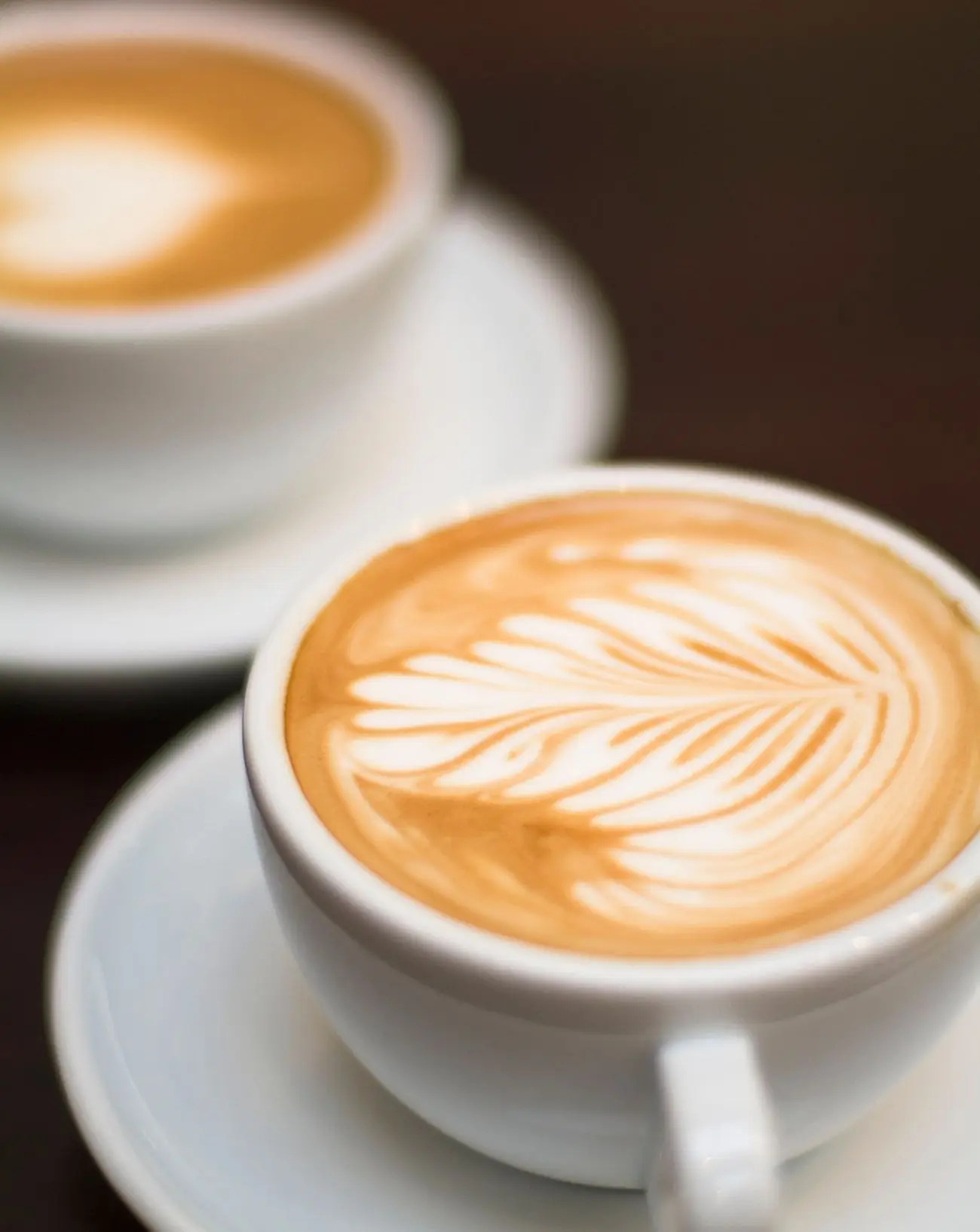
A fine dessert rarely stands alone. Specialty coffee, a good espresso base, perfectly paired milk drinks, or even a suitable tea significantly enhance the overall experience. Modern diners often perceive this moment of indulgence as a combination rather than two separate purchases.
This is exciting for patisserie brands because it opens up new occasions for indulgence. A slice of cake in the afternoon, macarons with coffee, dessert platters for guests, or small sweets as a gift become more appealing when the overall experience is just right. It's not just about the product, but about the moment associated with it.
Offering pastries, ice cream, and coffee under one roof is hitting a nerve. Modern consumption has become more flexible. Sometimes it's about celebration, sometimes simply about a pleasant and sophisticated break.
Enjoyment should be just as easy online as in the shop.
A trend that is often underestimated concerns not the display case, but the ordering process. Modern patisserie is now also defined by how easily products can be found, selected, and pre-ordered. Clarity is especially important when buying for a special occasion.
People want to quickly understand which cakes are available, what can be customized, what the lead times are, and who to contact. If you have any questions, please contact us. A good ordering experience is not a technical extra, but part of the product experience.
This is especially true for high-quality desserts. Those ordering for a birthday, family celebration, or holiday want anticipation, not uncertainty. That's why providers who seamlessly combine craftsmanship and service are successful. At Zoomserie, this very combination of enjoyment, selection, and personal accessibility is particularly well-executed.
Classics remain – but in a more precise form.
Despite all the new ideas, one thing remains true: most guests don't want a complete departure from the familiar. They want classics, but better. A good donut with a delicate glaze, a neatly constructed cheesecake, a buttery tea cake, or an intense chocolate dessert don't need to be reinvented to seem modern.
What matters is how carefully they are implemented. Better ingredients, finer adjustments, more appealing presentation, and well-thought-out portion sizes transform something familiar into something contemporary. This is precisely where the greatest opportunity lies for many pastry shops. Not every trend has to be loud.
Those who truly understand modern patisserie don't rely on effects for their own sake. They combine aesthetics with taste, seasonality with reliability, and individuality with expert advice. For guests, this is the most beautiful form of luxury: something that makes a special impression yet blends seamlessly into their occasion.
Ultimately, the best guide is surprisingly simple. If a dessert looks good, tastes balanced, suits the moment, and makes ordering easy, then it's not just trendy – it's truly arrived.