
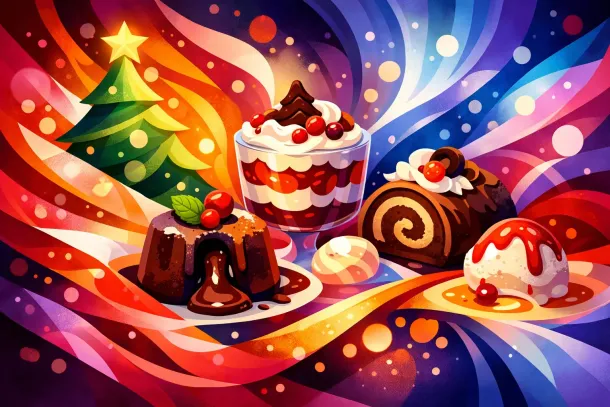
Ordering Christmas dessert made easy

Ordering cupcakes for a birthday made easy

Plan a stylish dessert platter for your party

Buying macarons online – what matters

Order cheesecake online with pleasure

Order a personalized cake in Vienna

Order a birthday cake in Vienna

Tips for caring for cakes
9 reasons why (the right amount of) coffee is good for you
Habit of using cake as a gift
Habit of using cake as a gift
Welcome to our article about the charming practice of giving cakes as gifts! Presenting a cake is more than just a kind gesture; it's a deeply ingrained social act that combines joy, creativity, and a sense of community. But what makes this tradition so enduring? The answer often lies hidden in the mechanisms of our brains, in the quiet but enormous power of habit. We'll explore why this act goes far beyond simply handing over a sweet treat and how the psychology behind it works.
The appeal of cake as a gift

Charles Duhigg's habit cycle, applied to giving a cake: An occasion (trigger) starts the action (routine), which leads to positive feelings (reward) and reinforces the habit.
The special appeal of giving a cake as a gift is deeply rooted in the psychology of human behavior. It's an action that, through repetition and positive reinforcement, becomes a firm habit. To understand this, it's worth looking at the work of experts. The well-known author Charles Duhigg in his bestseller „The Power of habit“He impressively deciphers the mechanisms that control our daily actions. He shows that a large part of our decisions are not based on conscious thought, but on automated routines.”.
The basic functioning of habits, As Duhigg describes it, this follows a simple neurological cycle: trigger, routine, reward. Applied to giving a cake, this means: An occasion (the trigger) leads to the action (the routine of buying or baking), which in turn leads to a positive emotional response (the reward). This cycle becomes ingrained in the brain with each repetition, until giving a cake becomes an almost automatic and joyful response to certain events.
Celebrations and joy
Cakes are inextricably linked to celebrations like birthdays, weddings, or anniversaries. These occasions act as perfect triggers in the cycle of habit. They signal to our brain: "Now is a moment for something special." The routine—the cake—is activated because it is considered a universal symbol of joy and togetherness. The reward is immediate and multifaceted: the recipient's shining eyes, the shared cutting and enjoyment, the feeling of belonging. These positive emotions strengthen the neurological connection and ensure that we reach for the cake again at the next similar occasion. Our habits and ways of working The associated emotional rewards are the driving force that keeps this tradition alive.
Expression of personal appreciation
A cake as a gift is a particularly strong expression of personal appreciation, which intensifies the reward within the cycle of habit. How Charles Duhigg explains, The desire for reward is the driving force behind every habit. A custom-designed cake, tailored to the recipient's preferences, conveys the message: "I put thought into this." This personalization—whether through their favorite flavor or a creative decoration—enhances the social and emotional reward for both parties. The giver receives recognition and gratitude, while the recipient feels valued. Charles Duhigg describes Such social rewards are considered particularly effective because they address basic human needs for belonging and recognition.
Traditional origins
The practice of giving cakes as gifts is not a modern invention, but a tradition that has grown over centuries. These historical roots function like socially ingrained norms. old habits. Even in the Middle Ages, elaborate baked goods were a sign of wealth and generosity at festive occasions. These traditions were passed down from generation to generation, creating a cultural consensus that a cake is an appropriate and welcome gift. These deeply ingrained cultural scripts facilitate the formation of habits, as the act is already socially validated and expected.
Modern interpretations
Although the tradition is ancient, it has constantly evolved. Today's pastry chefs and home bakers transform cakes into true works of art, offering endless possibilities for personalization. This opens up an exciting field for conscious design. Shaping habits. Instead of blindly following an old routine, we can actively shape that habit and make it even more meaningful. For example... Duhigg is trying His explanations show that we are not passively subject to habits. We can replace a routine – instead of buying a cake – with a homemade one to increase the personal touch and thus the emotional reward.
Birthdays and weddings
Occasions like birthdays and weddings are the classic triggers that set the habit cycle in motion. They are so strongly associated with the expectation of a cake that its absence is often perceived as a break with tradition. In his analyses Duhigg presents his findings often through such clear and everyday examples. The candles on the birthday cake or the multi-tiered wedding cake are not just decoration, but integral parts of the routine, aimed at a strong emotional reward – the celebratory moment of sharing. The examples that Duhigg uses, make it clear how deeply such rituals are ingrained in our behavior.
Company celebrations and anniversaries
Even in a corporate context, the cake has established itself as an effective tool. At company anniversaries, successful project completions, or to welcome new employees, it serves as a symbol of recognition and shared success. This demonstrates how consciously one... can change habitsInstead of an impersonal bonus, a shared celebration with a cake can strengthen team spirit and employee motivation more sustainably. It creates a moment of reflection and appreciation, which fosters a positive company culture.
Unique surprises
Habit is perhaps most powerful when it is unexpectedly broken. Giving a cake without a specific occasion is one such example. conspicuous habits, These are gestures that are particularly memorable. They signal affection and attention outside of expected norms. Such spontaneous gestures greatly strengthen social bonds. Over time, these positive interactions become more firmly established, because Habits through practice They become an integral part of a relationship. The gesture becomes a kind of loving ritual, which everyone considers an expert on habits, someone you can relate to like Charles Duhigg knows, which would be described as a prime example of a positive behavioral cycle. For many, this gesture becomes a fixed part of their social repertoire, almost like the well-known Crossword puzzle term: habit, which stands for something familiar and cherished.
Conclusion
The custom of giving a cake as a gift is far more than a simple tradition. It's a perfect example of the "power of habit" described by Charles Duhigg. Driven by clear triggers, a fixed routine, and a deep emotional and social reward, this gesture has established itself as a universal symbol of celebration, appreciation, and togetherness. Understanding the psychological mechanisms behind it allows us not only to continue this lovely custom but also to make it even more meaningful through conscious planning. Whether traditionally for a birthday or as a spontaneous surprise, a cake remains a gift that deliciously connects hearts and creates unforgettable moments.
We at Zoomserie in Vienna We are proud of our extensive selection of cakes and desserts for every occasion. You can find them in our Cake section, You can send us an email to kontakt@zoomserie.at Send us your order or call us at 0677 63164824 to place your desired products. Currently, we are only located in Lugner City, but we will be expanding to other regions soon — stay tuned!