Order a birthday cake in Vienna

Anyone who's ever frantically organized candles, balloons, and a last-minute dessert the day before a party knows: a cake isn't just dessert, it's the moment everyone's been waiting for. That's precisely why it's worth making one. Order a cake for a birthday, Instead of settling for a quick fix, choose a more thoughtful approach. When appearance, taste, and size are perfectly aligned, a pleasant birthday becomes an occasion that leaves a lasting impression.

Ordering a cake for a birthday – why planning makes the difference

A birthday cake should do more than just look good. It has to suit the birthday person, the number of guests, the style of the celebration, and often even the day's schedule. A small afternoon party calls for a different cake than an evening gathering with many guests, coffee, a dessert platter, and perhaps even more. Macarons or cupcakes in addition.

This is precisely where the advantage of ordering a cake becomes apparent. You're not just choosing a flavor, but planning a moment of pure enjoyment. That provides peace of mind. No one has to improvise, no one cuts pieces that are too small from a cake that's too small, and no one is left with a pretty but bland, generic cake.

Especially in a city like Vienna, where expectations for confectionery and pastry shops are noticeably high, both are important: artisanal quality and a straightforward ordering process. Those who choose early enough have more flexibility regarding design, personalization, and pickup.

Which birthday cake is truly suitable for the celebration?

The best cake isn't necessarily the most elaborate. What matters is how it fits the occasion. For children's birthdays, simple, cheerful designs and familiar flavors are often the best choice. For milestone birthdays or celebrations for adults, the cake can be more elegant, sophisticated, and offer a more refined flavor.

When ordering for a birthday, three things should be considered first: Who is celebrating, who will be eating, and when will it be served? A creamy, fruity cake looks light and festive, especially during the day. Chocolate variations or cheesecakes They often feel fuller and are perfect for a cozy afternoon or evening gathering.

The age of the birthday child also plays a role. For children, colors, figures, and a clear "wow" factor are often paramount. Adults often appreciate a cake that looks stylish and offers more depth of flavor. For hosts, this balance is crucial: personal enough, but not overdone.

Taste first, design right after.

Many people order cakes based on appearance first and only think about the taste later. This can work, but it doesn't have to. Ideally, a cake should be appetizing to look at and deliver on its promise with the first bite. Velvety creams, delicate sponge layers, fruity accents, or subtle chocolate notes make the difference between "pretty" and "truly memorable.".

Design remains important, as the birthday cake is often the centerpiece of the table and appears in almost every photo. Ideally, the cake should visually suit the occasion without appearing artificial. Modern, playful, classic, or minimalist – anything that suits the birthday person and the celebration is acceptable.

The correct size is often underestimated.

Ordering too small a cake can quickly become annoying. Ordering too large, on the other hand, can be impractical if there's a lot of other food being served. Anyone ordering a cake for a birthday should consider not only the number of invited guests, but also the entire dessert table or the rest of the menu.

If there are also cakes, pastries, or dessert glasses, a smaller cake is often sufficient as the main attraction. If the cake is the only sweet treat, you should plan more generously. Especially at family celebrations, a few guests often arrive unexpectedly – so a little extra is rarely a bad idea.

Personalization turns a cake into a gift.

A good birthday cake tastes delicious. A personalized cake tells an additional story about the occasion. That's precisely what makes it so special. A name, an age, a color scheme, or a specific design transforms the order into something truly unique.

It doesn't always have to be extremely elaborate. Often, small adjustments are enough to personalize the cake. A simple, elegant design with a custom inscription can be far more effective than an overly decorated one. It all depends on the type of celebration planned.

For larger birthdays or surprise parties, it's worth considering the cake as part of the overall concept. Perhaps its colors match the table decorations, it incorporates a favorite theme, or it complements other desserts. This way, it's not just an afterthought, but a harmonious whole.

Ordering a birthday cake – online or in person?

Both options have advantages, and the best choice often depends on the occasion. Ordering online is ideal if you want a quick overview of varieties, sizes, and styles. This saves time and makes it easier to compare options at your leisure. This is often the most convenient option, especially for working professionals or families.

Personal contact is especially valuable when it comes to special requests, individual designs, or questions about quantities. Being able to consult via email, phone, or directly in the shop is helpful in these situations. This helps avoid misunderstandings and gives you a better sense of what's feasible.

The most effective approach is a combination of both: online inspiration and convenient pre-ordering, with the option of personal consultation if needed. This blend is precisely what defines modern confectionery today – artisanal craftsmanship without a cumbersome ordering process.

How to recognize a good pastry shop for birthday cakes

A beautiful product page alone isn't enough. When ordering a birthday cake, you should pay attention to several indicators. First, the visual presentation: Do the cakes appear meticulously crafted, appetizing, and consistent? Second, the range of options: Are there only a few standard designs, or is there a selection that caters to different tastes and occasions?

Thirdly, service is key. Good pastry shops are reachable, provide clear answers, and are transparent about what makes sense in terms of timing and design. This reliability is especially valuable for birthdays. Nobody wants to be wondering on their special day whether everything is ready as agreed.

Another important point is the balance between classic and modern. Many people love familiar cake classics, but at the same time want a contemporary look and an ordering experience that doesn't feel like a bureaucratic process. When both come together, you create precisely the kind of indulgent comfort you desire for special moments.

Anyone in Vienna looking for this combination will find a world of indulgence at Zoomserie, which brings together cakes, pastries, ice cream and coffee under one roof – with an ordering process that feels pleasantly uncomplicated.

Common mistakes when ordering – and how to avoid them

The most common mistake is planning too late. Especially before weekends, holidays, or during busy birthday seasons, popular dates quickly become scarce. Those who order at the last minute are more likely to have to compromise on design, size, or variety.

A second mistake is a vague idea. "Something nice" is an understandable wish, but it's only of limited help when it comes to individual cakes. It's better to at least give a general direction: elegant or playful, fruity or chocolatey, understated or eye-catching.

Allergies, intolerances, or strong preferences should also be mentioned early on. Not every guest needs to be completely happy, but the main group should be looking forward to the cake. Especially with mixed groups, it's worth choosing a flavor that will be widely approved.

And then there's the logistics. When will it be picked up, how will it be transported, and when will it be served? A cake is a delicate product. Thinking about these points will save you from frantic rescue attempts in the car or just before cutting the cake.

This makes the birthday cake the highlight of the celebration.

The big moment isn't just about the cake itself, but also about its presentation. A beautiful spot on the table, appropriate lighting, a quiet moment for bringing it in – often that's all it takes. The cake should stand out as the highlight, not get lost among plates, bags, and half-empty glasses.

Even if you are serving several sweets, the cake can still take center stage. Small accompaniments like tarts, Macarons or cupcakes work particularly well when they complement the cake rather than compete with it. This makes the whole table look spacious and festive without being cluttered.

Ultimately, it's not about ordering the most spectacular cake in town. It's about choosing the right one – for the person, the moment, and the way you want to celebrate. When taste, style, and service come together, an order becomes a birthday celebration you'll look forward to from the very first glance.

Tips for caring for cakes

Tips for caring for cakes

Handle your Zoomserie shop treats with care after purchase so they stay beautiful until the first bite!

How do I transport my cakes?

Keep your hand steady. Do not shake, rattle, or roll your cakes. If you bump the box vertically, the cakes may tip over because the icing makes them top-heavy. We package the cakes in high-quality cardboard that is specially designed for food contact.

At what temperature should I store my cakes?

Not too hot, not too cold. A refrigerator temperature between 4 and 6 degrees Celsius is ideal for your cakes. If the weather or room is particularly hot, keep the cakes in the refrigerator and allow them to come to room temperature before serving, as the cold can negatively affect the flavor. Cheesecakes, gateaux slices, brownies, red velvet cakes, apple cakes, or other desserts should be refrigerated and consumed within 3 days.

Here's how to enjoy this delicacy

Make yourself a coffee or tea and enjoy it with the cake you just bought from your local Zoomserie. Keep the cakes refrigerated. Our products contain few or no preservatives, so we recommend consuming them within the first three days of purchase.

Semi-Freddo temperature

Please note that some of our products are stored at semi-frozen temperature. This means you need to let them stand for a while to reach room temperature so you can enjoy their full flavor. The waiting time varies between half an hour and an hour until the product is ready to serve.

We value your honest opinion.

Please remember that we are always open to your feedback and welcome criticism and opinions on our products and services with a high degree of professionalism. We therefore appreciate any feedback from you. Please use our email address. kontakt@zoomserie.at or our telephone number 067763164824.


9 reasons why (the right amount of) coffee is good for you

9 reasons why (the right amount of) coffee is good for you

Nutrition and health; Women's health; Nutrition and fitness; Diagnosis and preventive examinations for gynecological diseases
Ah, coffee. Whether you're carrying your travel mug on the way to work or quickly grabbing a skinny latte after a spin class to refuel, a day without coffee is almost unimaginable. The caffeine wakes you up, and there's something incredibly calming about sipping a steaming cup of coffee. But is drinking coffee actually good for you?

The good news: The arguments for coffee are more compelling than ever. Study after study shows that you could benefit more from your favorite morning beverage than you think: Coffee is packed with substances that can protect against diseases that are more common in women, including Alzheimer's and heart disease.

Caffeine is the first thing that comes to mind when you think of coffee. But coffee also contains antioxidants and other compounds that can reduce internal inflammation and protect against disease, say nutrition experts at Johns Hopkins University School of Medicine.

What are the main health benefits of drinking coffee?

1. They could live longer.

Recent studies have shown that coffee drinkers are less likely to die from some of the most common causes of death in women: coronary heart disease, stroke, diabetes, and kidney disease.

2. Your body may be able to process glucose (or sugar) better.

This is the theory behind studies that have shown that people who drink more coffee are less likely to develop type 2 diabetes.

3. They are less likely to develop heart failure.

Consuming one to two cups of coffee per day can help prevent heart failure, a condition in which a weakened heart has difficulty pumping enough blood through the body.

4. They are less likely to develop Parkinson's disease.

Caffeine not only reduces the risk of developing Parkinson's disease, but can also help people with this disease to better control their movements.

5. Your liver will thank you.

Both regular and decaffeinated coffee appear to have a protective effect on your liver. Studies show that coffee drinkers are more likely to have healthy liver enzyme levels than people who don't drink coffee.

6. Their DNA becomes stronger.

Dark roasted coffee reduces breaks in the DNA strands, which occur naturally but can lead to cancer or tumors if they are not repaired by your cells.

7. Your risk of developing colon cancer decreases significantly.

One in 23 women will develop colorectal cancer. However, researchers found that female coffee drinkers – whether with or without caffeine – had a 26 percent lower risk of developing colorectal cancer.

8. You can reduce your risk of developing Alzheimer's disease.

Nearly two-thirds of Americans living with Alzheimer's disease are women. However, the caffeine in two cups of coffee may offer significant protection against developing the disease. In fact, researchers found that women over 65 who drank two to three cups of coffee a day had an overall lower risk of developing dementia.

9. You have a lower risk of suffering a stroke.

In women, consuming at least one cup of coffee per day is associated with a lower risk of stroke, which is the fourth leading cause of death in women.

Enjoy at Zoomserie in Vienna one cup our 100 % Arabica specialty coffees. Freshly roasted and freshly ground. You can enjoy it at our tables or take it with you.

Habit of using cake as a gift

Habit of using cake as a gift

Welcome to our article about the charming practice of giving cakes as gifts! Presenting a cake is more than just a kind gesture; it's a deeply ingrained social act that combines joy, creativity, and a sense of community. But what makes this tradition so enduring? The answer often lies hidden in the mechanisms of our brains, in the quiet but enormous power of habit. We'll explore why this act goes far beyond simply handing over a sweet treat and how the psychology behind it works.

The appeal of cake as a gift

Infographic showing the cycle of cake-giving: A trigger (e.g., a birthday) leads to the routine (getting a cake), which leads to a reward (joy and togetherness).


Charles Duhigg's habit cycle, applied to giving a cake: An occasion (trigger) starts the action (routine), which leads to positive feelings (reward) and reinforces the habit.

The special appeal of giving a cake as a gift is deeply rooted in the psychology of human behavior. It's an action that, through repetition and positive reinforcement, becomes a firm habit. To understand this, it's worth looking at the work of experts. The well-known author Charles Duhigg in his bestseller „The Power of habit“He impressively deciphers the mechanisms that control our daily actions. He shows that a large part of our decisions are not based on conscious thought, but on automated routines.”.

The basic functioning of habits, As Duhigg describes it, this follows a simple neurological cycle: trigger, routine, reward. Applied to giving a cake, this means: An occasion (the trigger) leads to the action (the routine of buying or baking), which in turn leads to a positive emotional response (the reward). This cycle becomes ingrained in the brain with each repetition, until giving a cake becomes an almost automatic and joyful response to certain events.

Celebrations and joy

Cakes are inextricably linked to celebrations like birthdays, weddings, or anniversaries. These occasions act as perfect triggers in the cycle of habit. They signal to our brain: "Now is a moment for something special." The routine—the cake—is activated because it is considered a universal symbol of joy and togetherness. The reward is immediate and multifaceted: the recipient's shining eyes, the shared cutting and enjoyment, the feeling of belonging. These positive emotions strengthen the neurological connection and ensure that we reach for the cake again at the next similar occasion. Our habits and ways of working The associated emotional rewards are the driving force that keeps this tradition alive.

Expression of personal appreciation

A cake as a gift is a particularly strong expression of personal appreciation, which intensifies the reward within the cycle of habit. How Charles Duhigg explains, The desire for reward is the driving force behind every habit. A custom-designed cake, tailored to the recipient's preferences, conveys the message: "I put thought into this." This personalization—whether through their favorite flavor or a creative decoration—enhances the social and emotional reward for both parties. The giver receives recognition and gratitude, while the recipient feels valued. Charles Duhigg describes Such social rewards are considered particularly effective because they address basic human needs for belonging and recognition.

Traditional origins

The practice of giving cakes as gifts is not a modern invention, but a tradition that has grown over centuries. These historical roots function like socially ingrained norms. old habits. Even in the Middle Ages, elaborate baked goods were a sign of wealth and generosity at festive occasions. These traditions were passed down from generation to generation, creating a cultural consensus that a cake is an appropriate and welcome gift. These deeply ingrained cultural scripts facilitate the formation of habits, as the act is already socially validated and expected.

Modern interpretations

Although the tradition is ancient, it has constantly evolved. Today's pastry chefs and home bakers transform cakes into true works of art, offering endless possibilities for personalization. This opens up an exciting field for conscious design. Shaping habits. Instead of blindly following an old routine, we can actively shape that habit and make it even more meaningful. For example... Duhigg is trying His explanations show that we are not passively subject to habits. We can replace a routine – instead of buying a cake – with a homemade one to increase the personal touch and thus the emotional reward.

Birthdays and weddings

Occasions like birthdays and weddings are the classic triggers that set the habit cycle in motion. They are so strongly associated with the expectation of a cake that its absence is often perceived as a break with tradition. In his analyses Duhigg presents his findings often through such clear and everyday examples. The candles on the birthday cake or the multi-tiered wedding cake are not just decoration, but integral parts of the routine, aimed at a strong emotional reward – the celebratory moment of sharing. The examples that Duhigg uses, make it clear how deeply such rituals are ingrained in our behavior.

Company celebrations and anniversaries

Even in a corporate context, the cake has established itself as an effective tool. At company anniversaries, successful project completions, or to welcome new employees, it serves as a symbol of recognition and shared success. This demonstrates how consciously one... can change habitsInstead of an impersonal bonus, a shared celebration with a cake can strengthen team spirit and employee motivation more sustainably. It creates a moment of reflection and appreciation, which fosters a positive company culture.

Unique surprises

Habit is perhaps most powerful when it is unexpectedly broken. Giving a cake without a specific occasion is one such example. conspicuous habits, These are gestures that are particularly memorable. They signal affection and attention outside of expected norms. Such spontaneous gestures greatly strengthen social bonds. Over time, these positive interactions become more firmly established, because Habits through practice They become an integral part of a relationship. The gesture becomes a kind of loving ritual, which everyone considers an expert on habits, someone you can relate to like Charles Duhigg knows, which would be described as a prime example of a positive behavioral cycle. For many, this gesture becomes a fixed part of their social repertoire, almost like the well-known Crossword puzzle term: habit, which stands for something familiar and cherished.

Conclusion

The custom of giving a cake as a gift is far more than a simple tradition. It's a perfect example of the "power of habit" described by Charles Duhigg. Driven by clear triggers, a fixed routine, and a deep emotional and social reward, this gesture has established itself as a universal symbol of celebration, appreciation, and togetherness. Understanding the psychological mechanisms behind it allows us not only to continue this lovely custom but also to make it even more meaningful through conscious planning. Whether traditionally for a birthday or as a spontaneous surprise, a cake remains a gift that deliciously connects hearts and creates unforgettable moments.

We at Zoomserie in Vienna We are proud of our extensive selection of cakes and desserts for every occasion. You can find them in our Cake section, You can send us an email to kontakt@zoomserie.at Send us your order or call us at 0677 63164824 to place your desired products. Currently, we are only located in Lugner City, but we will be expanding to other regions soon — stay tuned!

Comparison of specialty and commercial coffee

Comparison of specialty and commercial coffee

When it comes to coffee, two main categories dominate the market: specialty and commercial coffee. But what differentiates them? Let's delve into the world of coffee to understand the key differences between these two types.

What is specialty coffee?

Specialty coffee is a term for coffee sourced from specific regions, focusing on quality and unique flavor profiles. These beans are often grown at higher altitudes, which contributes to their distinctive flavor profile. Specialty coffee is typically roasted in small batches to highlight the subtle nuances of each bean.

What is commercial coffee?

Commercial coffee, on the other hand, is produced in large quantities and often blends beans from different regions to ensure a consistent flavor profile. These beans are usually roasted in large quantities and are widely available in supermarkets and most coffee chains. Commercial coffee includes virtually all of the well-known Italian brands that dominated the market until a decade ago.
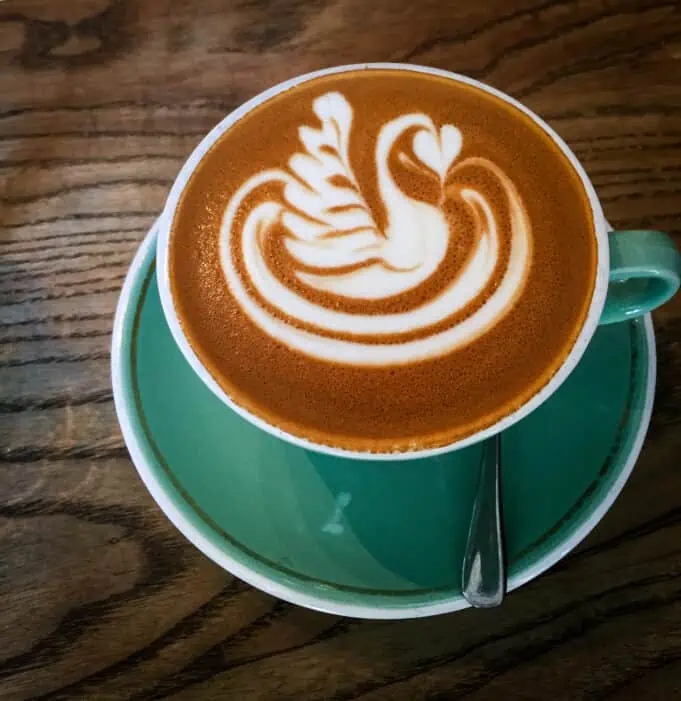
Quality and taste

Specialty coffee is known for its exceptional quality and diverse flavor profiles. Each cup of specialty coffee offers a unique taste experience with notes of fruit, chocolate, or floral undertones. While convenient and consistent, commercial coffee often lacks the complexity and depth of flavor that distinguishes specialty beans.
Sustainability and ethics

Specialty coffee often places a high priority on sustainability and ethical sourcing practices. Many specialty roasters work directly with farmers to ensure fair wages and environmentally friendly farming practices. While commercial coffee is making progress in sustainability, it doesn't always implement these priorities to the same extent.

Pricing

Due to the higher quality and specialized sourcing, specialty coffee is typically more expensive than commercial coffee. The added cost reflects the care and attention to detail that goes into producing specialty beans. At Zoomserie, however, there are no additional costs for our coffees. You can enjoy authentic specialty coffee without breaking the bank!

Why choose specialty coffee?

If you want to take your coffee experience to a new level and enjoy unique flavors, specialty coffee is the perfect choice. The variety of flavors, ethical sourcing practices, and high quality make specialty coffee the first choice for coffee lovers.

Experience the real specialty coffee experience at Zoomserie Vienna.

For the taste of specialty coffee at its finest, look no further than our Zoomserie Specialty Grade coffee. Sourced from the highland regions of Brazil, this coffee offers a rich, velvety flavor with hints of raisins, caramel, and hazelnut.

Zoomserie in Vienna – Our commitment to quality standards

All our cakes and pastries are handcrafted and carefully prepared in our brand laboratory according to the latest and strictest hygiene standards. The people who create these cakes are patisserie specialists and follow a rigorous process for each individual cake.
So what you enjoy in our store in Vienna is just as delicious as the moment it was created.

We regularly introduce new flavors and designs, taking our cue from the latest haute patisserie trends emerging in other countries, always with great respect for the standards of Viennese confectionery.

Please visit our website or our store in Vienna regularly, as from time to time we have small or big surprises in store for you in the form of new cake creations.

Please note that the introduction of new flavors and designs in no way implies a change in our philosophy regarding the ingredients we use. We consistently use the highest quality ingredients for our desserts, cakes, ice cream, and, of course, our specialty coffee.

Red velvet cake

Habit of using cake as a gift

Cakes are a popular gift idea because of their historical association with celebrations and their ability to convey joy and goodwill. They are a traditional symbol of good luck, and giving a cake expresses gratitude, affection, and good wishes. Cakes are also suitable for a variety of occasions and recipients, making them a versatile and thoughtful gift.

That’s why cakes are such great gifts:
Symbol of celebration:
Cakes are firmly anchored in celebration traditions, from birthdays to weddings, and symbolize joy and shared happiness.

Versatile gift:
Cakes can be given as a gift for almost any occasion, making them a practical and loving present.

Tangible expression of feelings:
A cake is a tangible gift that can be shared, thus promoting connection and goodwill.

Personal note:
Cakes can be customized to reflect the tastes and preferences of the recipient, adding a personal touch.

Universal popularity:
Although preferences vary, most people like cakes, making them a universally appreciated gift.

Sharing and hospitality:
Sharing a cake is a sign of goodwill and hospitality in many cultures.

Creating memories:
Cakes often play a central role in special occasions and create lasting memories for the recipient.

Sensuality and desserts

Sensuality and desserts are often associated, as sweet treats can evoke emotional and physiological responses that awaken feelings of pleasure and intimacy. The experience of enjoying a dessert can be inherently sensual, with a focus on taste, texture, and even aroma, creating a heightened sense of pleasure and connection.

Here's a closer look at this connection:
Psychological and physiological factors:
Dopamine release:
Desserts, especially those high in sugar, trigger the release of dopamine in the brain, a neurotransmitter associated with pleasure and reward. This can create feelings of happiness and satisfaction, similar to the positive feelings associated with intimacy.
Endorphin release:
Sugar can also stimulate the release of endorphins, which act as natural mood enhancers and stress relievers.
Sensory experience:
The textures, tastes, and flavors of desserts—like the creaminess of chocolate or the sweetness of berries—are inherently sensual and create an indulgent experience that can be shared and enjoyed together with a partner.
Desserts as a romantic gesture:
Symbolism:
Certain desserts, such as heart-shaped cakes or rich chocolate creations, are often associated with romance and intimacy.
Shared experience:
Enjoying desserts together can be a bonding experience and foster a sense of closeness and togetherness.
Intimate atmosphere:
Incorporating desserts into romantic settings, such as a special date or a cozy evening for two, can enhance the overall experience and create lasting memories.
Examples of sensual desserts:
Chocolate:
Considered by some to be an aphrodisiac, the intense flavor and velvety texture of chocolate is extremely seductive.
Creamy desserts:
The velvety, rich consistency of whipped cream, pudding or mousse is particularly appealing, especially when combined with other flavors.
Fruity desserts:
The vibrant colors and fresh flavors of fruits like strawberries or raspberries are both visually appealing and delicious.
Refined desserts:
A touch of alcohol, such as amaretto in a dessert or a glass rimmed with liqueur, can further enhance the sensual experience.
At its core, the connection between sensuality and desserts lies in the pleasurable experiences they evoke, both physically and emotionally, making them ideal for romantic occasions and intimate moments.

Coffee and desserts, a heavenly wedding

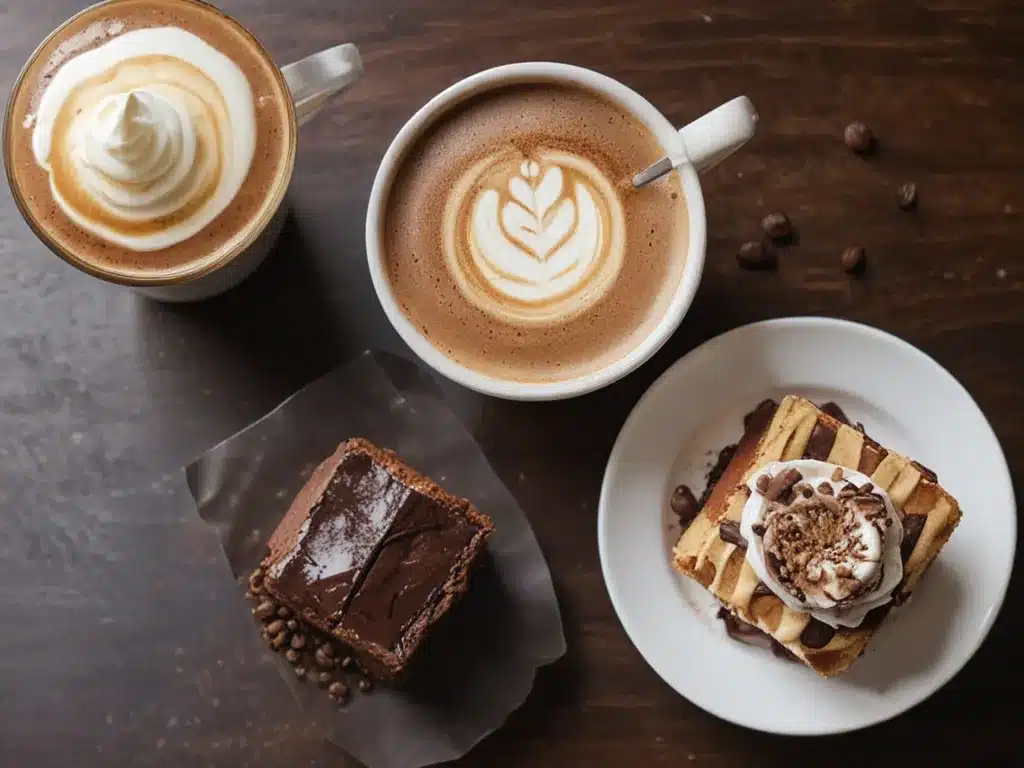
The combination of a good dessert and excellent coffee is a classic combination because of the contrasting flavors that enhance each other.

The bitterness of coffee, especially espresso, complements the sweetness of desserts and provides a balanced and pleasant taste experience. Additionally, the rich textures of coffee and certain desserts can harmonize and make the combination even more enjoyable.

Here's a more detailed explanation: Bitter and sweet: The main reason for this good combination is the contrast between the bitterness of coffee and the sweetness of most desserts.

The bitterness of the coffee helps to soften the sweetness, keeping the dessert from being overpowering and making every bite a delight. Flavor enhancement:

The bitterness of the coffee can also enhance the flavors of chocolate or other ingredients in the dessert, making them more intense.

Our specialty coffee with notes of chocolate, orange, and vanilla perfectly complements our desserts and ice cream.

Harmony of texture: Coffee, especially espresso or cappuccino, has a smooth, creamy texture that perfectly complements the texture of desserts such as chocolate mousse, tiramisu or pastries.

 Combinations: Certain desserts are great with coffee. For example, chocolate desserts such as chocolate cake or truffles go well with espresso, while lighter desserts such as pastries or fruit cakes go well with cappuccino.

Individual preferences: Although there are general guidelines, personal preferences play a big role. Some prefer a strong espresso with a rich dessert, others a lighter roast with a finer pastry.

Zoomserie, The Dessert and Coffee Paradise

Immerse yourself in the wonderful world of sweets with Zoomserie, a paradise for dessert lovers in Vienna.

Indulge in our delicious selection of cakes, cheesecakes, gelato, tarts and specialty coffee.

Our commitment to quality and customer satisfaction ensures that every bite is a delight. At Zoomserie, we believe in the power of desserts to bring joy and connection.

Gelato vs. Ice Cream

The difference between gelato and ice cream

Many people believe the main difference between gelato and ice cream is just a matter of name; that gelato is simply the Italian word for ice cream. But that's not entirely true.

Gelato—which actually means "frozen" in Italian—differs from ice cream in several important ways. From the ingredients and the manufacturing process to storage and serving, here's what exactly the difference is between gelato and ice cream.

Ingredients The basic ingredients for dairy gelato and ice cream contain a very similar list of ingredients – milk, cream, egg yolks and sugar – but the proportions in the two recipes differ significantly.

Gelato contains more milk, but significantly less cream and fewer egg yolks than ice cream. In fact, in southern Italian regions like Campania and Sicily, gelato often dispenses with egg yolks altogether, relying instead on a mixture of sweetened whole milk thickened with locust bean gum. Ice cream (as the name suggests) contains significantly more cream and also more egg yolks.

This means that milk-based gelato has a much lower fat content than ice cream.

Production Both ice cream and gelato are stirred to bring the base mixture to a firmer consistency, but they are not stirred in the same way.

Standard ice cream machines churn the mixture at high speed to incorporate a lot of air. In contrast, the stirring tools in gelato machines move very slowly and incorporate much less air into the mixture.

The result is that gelato is much denser and creamier than the fluffy, airy ice cream.

Temperature With a lower fat content and significantly less air than ice cream, you might expect gelato to solidify when frozen. Instead, gelato is softer and more velvety than ice cream—but how?

The key lies in the temperature at which gelato is frozen, stored, and served. Gelato is typically frozen, stored, and served at temperatures about 10°C warmer than ice cream, which is typically stored at approximately -18°C.

This gentler freezing process ensures that gelato is softer than the harder, scoopable ice cream. That's why almost all gelaterias in Italy use a flat spatula to pour their gelato into cups or cones—gelato simply isn't cold enough to be portioned like ice cream.

This also means that gelato is not easily transportable; it tastes best when freshly prepared and is ideally sold within 48 to 96 hours.

So, the taste test: Gelato contains less fat, less air, and is served at a higher temperature than ice cream. But how does this affect the texture and taste when you finally enjoy your favorite flavor?

Texturally, gelato has a velvety mouthfeel that's less creamy than ice cream. This difference in texture actually affects how you taste it: Cold, high-fat ice cream coats and numbs the tongue, muting some of the flavors. Warmer, lower-fat gelato is much more direct; the main flavor emerges more intensely and then quickly dissipates.

This partly explains why your gelato—whether pistachio, chocolate, or simply fior di latte—will showcase its main flavor so much more strongly than similar ice creams.

The History of Cheesecake

Although many assume that cheesecake's origins lie in New York, this delicious dessert actually dates back to ancient Greek history. Over 4,000 years ago, in the 5th century BC. In the 1st century BC, the ancient Greeks made the oldest known cheesecake on the island of Samos.

The original cheesecake consisted of cream cheese and quark, refined with local flour and honey and baked in a clay oven. This simple but tasty creation was often enjoyed before a fight or sport and was considered an excellent source of energy. There is even evidence that cheesecake helped athletes at the first Olympic Games in 776 BC. It was served in the 1st century BC and was also popular as a wedding cake.

In the Middle Ages, cheesecake transformed into modern Europe and was used as a pastry base in the form of a cake. The first English cookbook from 1390 already contained several variations of the cheesecake recipe using eggs and different flavor profiles. The English people's love for this delicious dessert was reflected in almost every English cookbook of the following five centuries.

Over time, cheesecake made its way to the American colonies, and in the 1730s the Cheesecake House Tavern opened in Philadelphia. Martha Washington's treasured 18th-century cookbook contained three different cheesecake recipes, one even without a crust and with flavors like rose water and spices. In the 19th century, more subtle ingredients such as lemon and vanilla were used in cheesecake recipes.

In the 1930s, a drastic change occurred in the basis of Americanized cheesecake. The traditional quark was replaced with creamy cream cheese, resulting in a richer treat. This is how the famous New York cheesecake was born, which became an obsession in the 1900s. Today, versions of cheesecake can be found in almost every restaurant and pub, and New York cheesecake remains one of the most popular variations of this delicious dessert.

OUR CHEESECAKE